


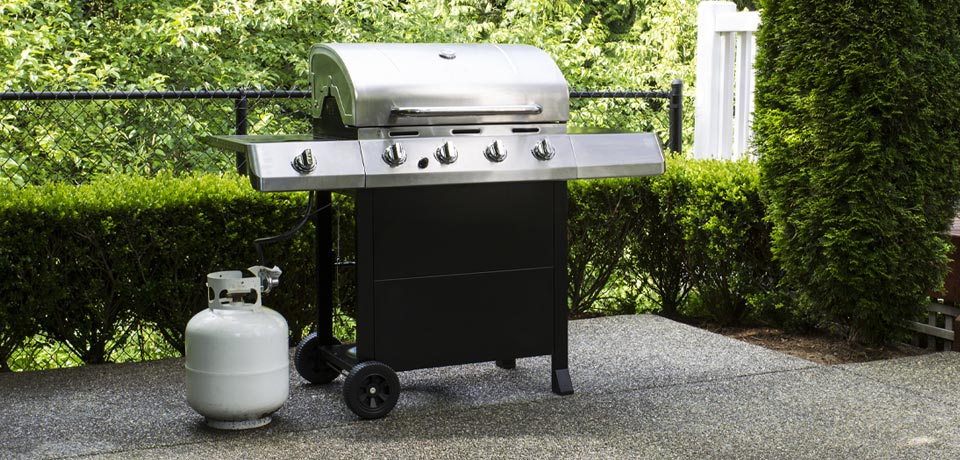
From BBQs to camping stoves to outdoor heaters fuelling summer shindigs well after the sun has set, you can maximize your outdoor fun this summer with propane.
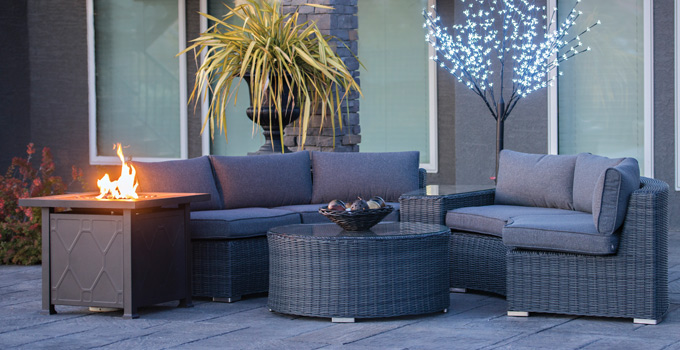
From day to night, propane keeps the fun going with its portability and versatility. And with Co-op's wide network of propane filling stations across Western Canada, it's a convenient fuel for your fun!
We're Cooking With Gas
When it comes to making full use of the great outdoors, propane is your new best friend. Use propane to fuel your barbecues, patio heaters, fire tables, pool heaters, lawn equipment and small cooking appliances such as camp stoves. Use our guide to find out the ways you can dress up your yard and incorporate new exciting features using propane.
Propane cylinders are light and portable, making no adventure off limits, and the fuel itself has a host of benefits. With Co-op Propane refill stations conveniently located at Co-op Gas Bars, it's never been easier to find the fuel you need to keep your adventures going. Find your closest location here.
When Size Matters
Propane tanks come in a variety of sizes, making it easy to find the right size for your needs. Whether you're an occasional outdoor grill person or a seasoned propane pro, we have the right tank size for you.
Find out what tank size meets your needs at our handy table below, and if you have more questions reach out to your local Co-op!
| SIZE | COMMON USES | ||
| 5-10 pounds | These cylinders are most popular when portability, weight and overall size are important considerations. | ||
| 20 pounds | Best known for recreational uses such as barbecues, ice fishing heaters, patio heaters and fire tables. | ||
| 30-40 pounds | Frequently used on recreational vehicles such as travel trailers in which propane powers the furnace, fridge, water heater, stove and barbecue attachment. To offset higher usage rates, a larger tank increases capacity and reduces the frequency of refills. | ||
| 100 pounds | Commonly used to fuel small appliances such as cooktops and fireplaces that have higher usage rates but are only used seasonally. This is commonly used at recreational properties such as cabins or group campsites where relative portability is required. |
All Fired Up
Before you start your adventures outdoors, make sure you take these steps to check everything is all ready to go!
Step 1: Make sure your tanks are filled. Check your propane tank cylinder inventory level by pouring a cup of boiling water over the side of your tank. Now feel the tank and look for the point where the tank goes from feeling hot (empty) to cool (filled with propane). That's your propane level!
Step 2: Check your cylinder expiration date on the collar of the propane tank. You can get to know your cylinder with our helpful tips.
Step 3: If you have an empty cylinder that is out of date, make sure to responsibly recycle it through Co-op’s recertified cylinder program. Tanks that are badly rusted, dented or the protective collar has been damaged can be taken to a Household Hazardous Waste Collection Facility. For more information about where to dispose of your propane cylinder tanks, contact your local Co-op.
From cookouts to camping, propane is the fuel for your summer fun.
Visit your nearest Co-op to purchase a new cylinder or refill an existing one. For bulk propane, contact your local Co-op or one of our propane branch offices to learn more about how Co-op can help.